
Have you noticed your usually cheerful dog beginning to act a little off? Perhaps they’ve been turning a deaf ear to commands or crowding your personal space more than usual. These small changes can be disconcerting, leaving you with that nagging feeling that something’s not quite right with your dog.
Like us, your dog has their own ways of indicating discomfort or distress, and picking up on these cues early can help. Interestingly enough, well-adjusted dogs don’t just switch gears into aggression without some buildup – it’s akin to observing the sky darken before a downpour.
Remember—staying ahead of the game is always better than playing catch-up.
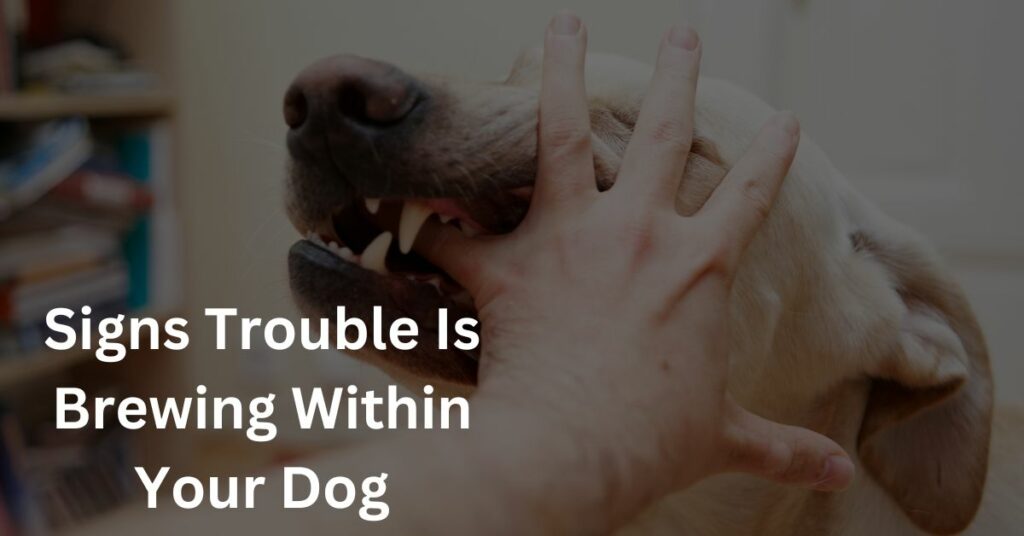
Table of Contents
Signs of Aggression in Dogs
A dog’s aggression can manifest in various behaviors, such as disrespecting personal space, ignoring commands, and growling for reasons other than play. Recognizing these signs early on can help address the issue before it escalates into a serious problem.
Your first port of call for any changes in behavior should be to your vet. Undiagnosed illness or pain often manifests as aggression. Get your dog a once over with your vet to ensure that there isn’t an underlying medical condition causing the behavior change.
Disrespect of personal space
Everyone values personal space, and it turns out that dogs are no different. This can be a red flag when a dog consistently invades your personal bubble. This violation of personal boundaries might seem like simple enthusiasm or protectiveness at first, but it can lead to more serious challenges in the future.
Dogs communicate a lot through their actions. A dog that pushes against you or refuses to move out of your way displays unusual behavior. Such physical proximity issues could escalate into disobedience and potentially threatening behavior if not addressed promptly with proper training and guidance.
Ignoring known commands
Sometimes, dogs act like they don’t hear us. But if your dog frequently ignores commands they’ve previously mastered, it could be a red flag. This non-compliance might signal that your dog doesn’t see the need to follow your lead or may even be testing boundaries. You may have inadvertently taught your dog that it doesn’t need to comply.
Taking steps to tackle this training challenge is essential. Consulting with professionals offers a fresh perspective and techniques to reinforce obedience training effectively.
If this resistance to following commands has come out of nowhere, consider that something more profound, like pain or discomfort, could be at play here—making a check-up with the veterinarian an immediate priority.
Ignoring known commands should never go unchecked because it affects the bond between you and your dog and could point toward underlying aggression problems needing prompt attention.
Refusal to lie down on command
Often, refusal to lie down on command is seen as a clear sign of disobedience, and it may signal that your dog is showing early signs of rebellion. However, if you notice your dog suddenly refuses to hit the deck when asked, pain could be the culprit. It would be best to closely observe their behavior for any hints that discomfort leads to non-compliance.
Consulting with a veterinarian becomes essential in such scenarios because your dog’s health should always come first. In cases where no medical issue is found, seeking professional advice or enrolling in training classes might help address this non-compliance before it escalates into outright rebellion or hostility.
Bumping into people
Bumping into people is a clear sign of disrespect in dogs. This behavior can indicate poor manners, signaling that the dog does not recognize personal space boundaries. Getting one-on-one help from a trainer is necessary to help you set and enforce boundaries.
Please consult your vet if your previously well-mannered dog has started bumping into people and/or objects. There may be an underlying condition affecting your dog’s eyes or balance.
Mounting behavior
Mounting behavior in dogs is a puppy play behavior. It can be a source of trouble when it is not sexual and is carried on into adulthood, as it can indicate over-arousal. Your dog needs to learn to break off from play and self-calm. A reputable trainer or behaviorist can help teach strategies.
Refusing to give up sleeping areas
Dogs refusing to give up their sleeping areas may display possessive and guarding behavior, signaling potential trouble. This behavior can escalate into territorial aggression, particularly when the dog feels threatened or challenged.
It’s essential to address this issue promptly by seeking professional help and implementing strategies to manage the dog’s territorial tendencies before it leads to aggressive incidents. Teaching your dog to lie in its bed instead of on furniture will help.
Holding onto resting spots is a concerning sign that should be taken seriously, especially if children are in the household. Dogs elevating themselves to face level with children due to their refusal to relinquish sleeping areas can pose a significant risk.
Growling for reasons other than play
Growling for reasons other than play is a crucial sign of potential aggression in dogs. When a dog growls in response to normal interactions or everyday situations, it can indicate discomfort, fear, or defensiveness.
This behavior should be taken seriously and addressed promptly to prevent escalation into more serious aggression issues. Seeking professional assistance from a certified dog trainer or animal behaviorist can help assess the underlying causes of the growling and establish appropriate training strategies to modify the behavior.
Understanding that growling is one of several warning signs that signal aggression in dogs can prompt decisive action to address the issue early on. Training and behavioral interventions can effectively manage this aggressive body language, providing a safer environment for dogs and people.
Unneutered behavior
Intact male dogs are more likely to exhibit aggressive behavior due to higher testosterone levels. This can result in increased territorial and possessive behaviors, leading to confrontations with other animals or even people.
Unneutered dogs are responsible for most serious dog bites across the US and other countries, emphasizing the significance of addressing this aspect of canine aggression.
Managing Aggressive Dog Behavior
Seeking professional advice and enrolling in training classes can provide the necessary support to address aggressive behavior in dogs. Consulting a veterinarian to ensure no underlying medical conditions, establishing rules and boundaries, and considering neutering are additional steps to help manage aggression effectively.
I’ve written an article on dog aggression basics, where I talk about what to look for.
Seeking professional advice
If you notice any signs of aggression in your dog, it’s crucial to seek professional advice promptly. Here are actionable steps to address aggressive behavior:
- Discuss the behavior with a trusted veterinarian to rule out any underlying medical issues contributing to the aggression.
- Consult a qualified canine behaviorist or professional dog trainer specializing in aggression management for personalized guidance.
- Attend training classes with experienced instructors who can help you understand and manage your dog’s aggressive tendencies effectively.
- Establish clear rules and boundaries at home to provide structure and consistency for your dog, which can help reduce aggressive incidents.
- Neuter your dog, as intact male dogs are more likely to display aggressive behaviors, and neutering can significantly decrease the risk of aggression-related incidents.
- Seek help from a professional if your dog shows resistance or aggression in any situation, regardless of its triggers or severity.
- Take early action when you notice warning signs like growling for reasons other than play, as these behaviors often require expert intervention to ensure safety for both the pet and its environment.
Dog Training Classes
After seeking professional advice, enrolling in training classes can provide structured guidance and support for addressing aggressive behavior in dogs. Here are effective methods to consider:
- Obedience training: Reinforcing basic commands through consistent practice and positive reinforcement can help improve the dog’s responsiveness and confidence.
- Canine behavior modification: Tailoring training techniques to address specific aggressive behaviors, such as resource guarding or territorial aggression, can help reshape the dog’s reactions in targeted scenarios.
- Professional dog training: Engaging with a qualified dog trainer who specializes in aggression management can offer tailored strategies and hands-on support for addressing complex behavioral issues.
- Behavior training classes: Joining specialized classes focusing on aggression management provides an environment where you can learn effective techniques alongside your dog under professional supervision.
- Neutering: Neutering for unneutered male dogs may reduce hormone-driven aggressive behaviors, contributing to a calmer and more easily trainable temperament.
Consulting a veterinarian
If you notice any signs of aggression in your dog, consulting a veterinarian can provide crucial guidance and support. Veterinarians can help identify signs of pain that might be contributing to aggressive behavior, providing strategies for managing any underlying discomfort effectively.
Final Thoughts on Signs of Troubling Behavior from Your Dog
Recognizing the signs of trouble brewing in dogs is crucial for preventing aggressive behavior. Your first step should be to consult your vet to ensure that your dog doesn’t have undiagnosed underlying medical condition affecting their behavior.
Implementing practical training and seeking professional guidance are efficient ways to manage aggression. Be consistent with training and boundaries – it will help if your dog always knows what’s expected. For example, if your dog isn’t allowed on the sofa, it should always be redirected to its bed.
Good luck.

Leave a Reply